

Short answer: what actually helps most families in Saudi Arabia keep up with Quran learning is matching the starting point to the child’s real background, structured one-on-one lessons rather than a fixed group pace, and a schedule that works around work, school, and the Friday-Saturday weekend, not a rigid weekday timetable borrowed from somewhere else. Structured this way, families across Saudi Arabia can read Quran online consistently, whatever their weekly schedule looks like.
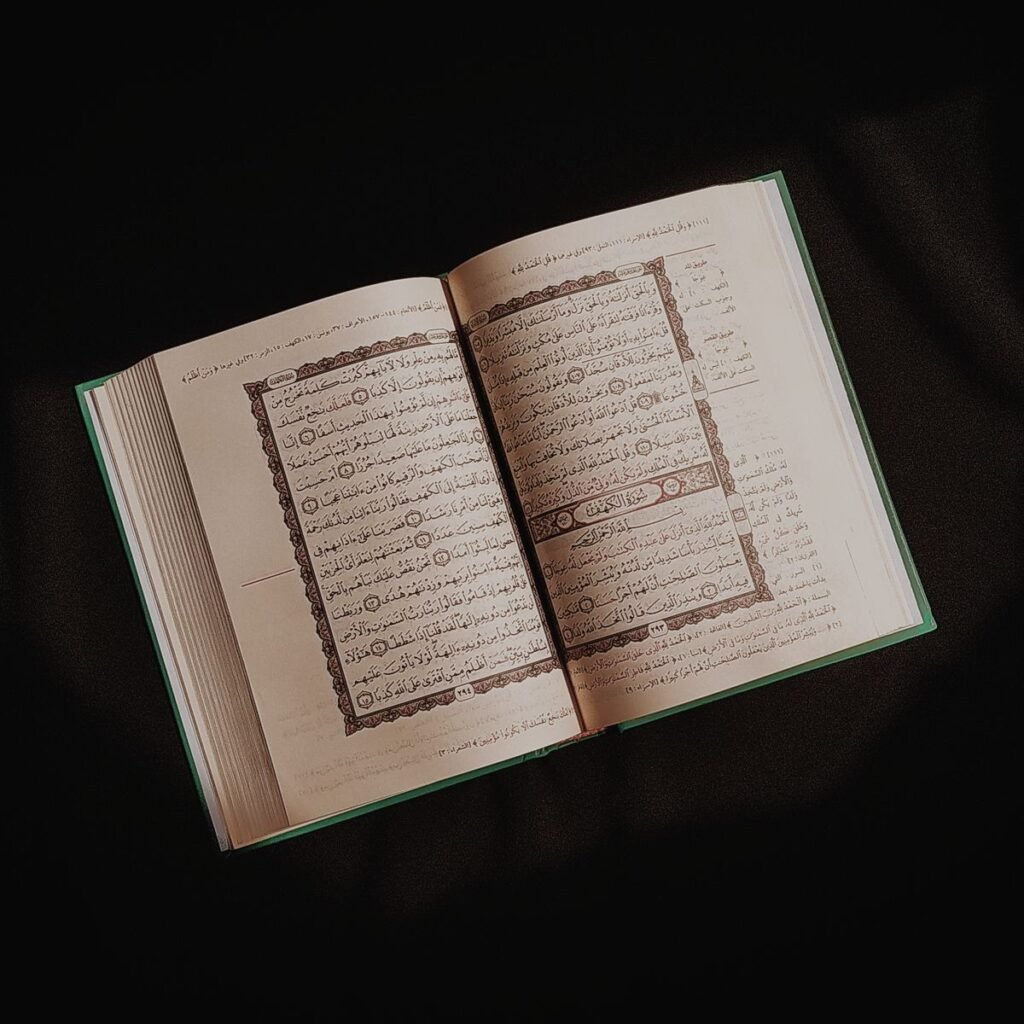
Saudi Arabia is not one audience for this. Expat families and long-resident local families tend to run into different problems, even though both are searching for the same thing: a way to keep Quran learning consistent without it becoming another source of stress at home.
Two Different Starting Points
Expat families, especially where Arabic is not spoken at home, often need to start from the very beginning: the alphabet, correct pronunciation, and basic reading, before Tajweed rules mean anything. Skipping ahead here usually backfires, because rules only make sense once the letters themselves are solid.
Local and long-resident families are frequently in the opposite position. The child already reads reasonably well, often from school-based Quran education, but the home routine is inconsistent, correction is inconsistent, and progress has plateaued. Here the gap is usually structure and follow-through, not the basics.
What Actually Helps Expat Families
For a child starting from zero, the two things that matter most are a patient pace and real consistency. A Noorani Qaida course built for complete beginners, taught one-on-one rather than in a group, lets a tutor slow down exactly where a specific child needs it, instead of moving on because the rest of a group is ready.
Once the alphabet and basic reading are solid, moving into Quran Reading with Tajweed is the natural next step. Trying to jump straight into Tajweed rules before reading is fluent is one of the most common reasons progress stalls for beginners.
What Actually Helps Local and Resident Families
If a child already reads but progress has plateaued, the fix is rarely “more of the same.” A structured, one-on-one class with regular correction closes gaps that a busy home routine cannot catch consistently. For families whose children already recite well, going beyond recitation into Quranic Arabic, Tafseer, or eventually the Alim & Aalimah course often reignites motivation, since understanding what is being read tends to matter more to older children than repetition alone.
Why Online Classes Fit Well in Saudi Arabia Specifically
A few practical realities make online, one-on-one classes a good fit here:
- The Friday-Saturday weekend does not match a typical fixed weekday class schedule, but a live online tutor can work around it directly.
- Cities and neighborhoods are spread out, so removing the commute to a physical class saves real time in a busy week.
- Expat and local families alike are often juggling demanding work schedules, and a flexible time slot arranged directly with a tutor is easier to sustain than a fixed group class time.
See our full breakdown of online Quran classes in Saudi Arabia for course options and scheduling details.
Building a Routine That Actually Sticks
The single biggest reason progress stalls, for expat and local families alike, is not the course or the tutor. It is an inconsistent schedule. A class that happens whenever the week allows tends to quietly disappear within a few months.
A fixed slot, even a short one, beats an irregular longer one almost every time. Two sessions a week at the same time is easier to sustain than daily sessions that get skipped whenever work or school gets busy. If a schedule keeps slipping, it is usually worth shortening the sessions rather than reducing the frequency, since frequency is what actually builds the habit.
Getting Started
The most reliable way to find the right starting point is a free trial class, where a tutor can actually hear the student read (or, for a complete beginner, gauge where to begin) before recommending a course. Message QuranlyHub on WhatsApp with your child’s age and current level, or without one if starting from scratch, and you will get a direct recommendation rather than a generic sales pitch.
Trying to pin down the best class time specifically? See our time zone guide for scheduling classes in Saudi Arabia.
Frequently Asked Questions
My child does not speak Arabic at home. Can they still start Quran lessons?
Yes. Starting with Noorani Qaida is specifically designed for complete beginners, including children who have never been exposed to Arabic letters before.
Is it too late to start if my child already attends a local school with Quran classes?
No. Many families use one-on-one online classes as a supplement, focused on correcting specific gaps or going further than a general classroom pace allows.
Can classes work around the Friday-Saturday weekend?
Yes. Because lessons are one-on-one, timing is arranged directly with you rather than fixed to a set weekday schedule.
What is the first step?
A free trial class. It lets a tutor assess the right starting point instead of guessing from an age alone.
Are online quran classes saudi arabia priced differently for expat families?
No, pricing is based on course, format and frequency, the same factors that apply everywhere QuranlyHub teaches, not on expat versus local status.
Can families in Saudi Arabia read Quran online during Ramadan with an adjusted schedule?
Yes, since classes are one-on-one, timing can be adjusted around Ramadan routines directly with your tutor.
Is QuranlyHub the home of Quran learning for both local and expat families in the Kingdom?
QuranlyHub teaches every core course online to families across Saudi Arabia, with scheduling built around the Friday-Saturday weekend and typical work and school hours.
Ready to find the right starting point? Book a free trial on WhatsApp, or browse all QuranlyHub courses first. For scheduling advice beyond Saudi Arabia specifically, see our general guide to fitting Quran learning into a real week.
Are online Quran classes suitable for both expat and local families in Saudi Arabia?
Yes, the same one-to-one format and Ijazah-certified tutors work equally for expat families wanting classes in English or Urdu, and local Saudi families, since lessons are scheduled around each family’s own routine.
Can expat children in Saudi Arabia learn Quran online in their home language alongside Arabic?
Yes, tutors who teach in Urdu alongside English can explain Tajweed rules and Quran meaning in whichever language a child understands best while still teaching accurate Quranic Arabic pronunciation.