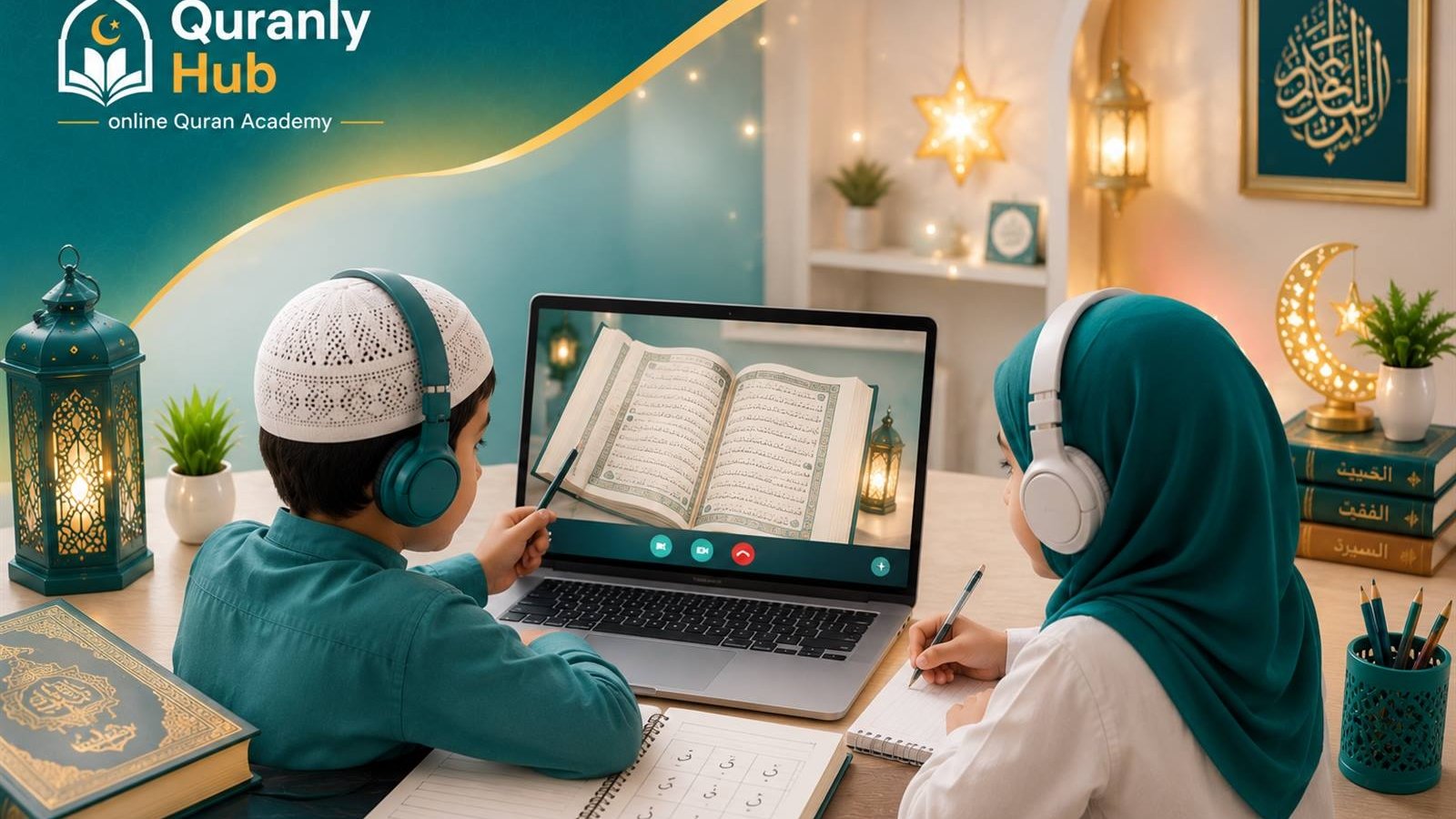
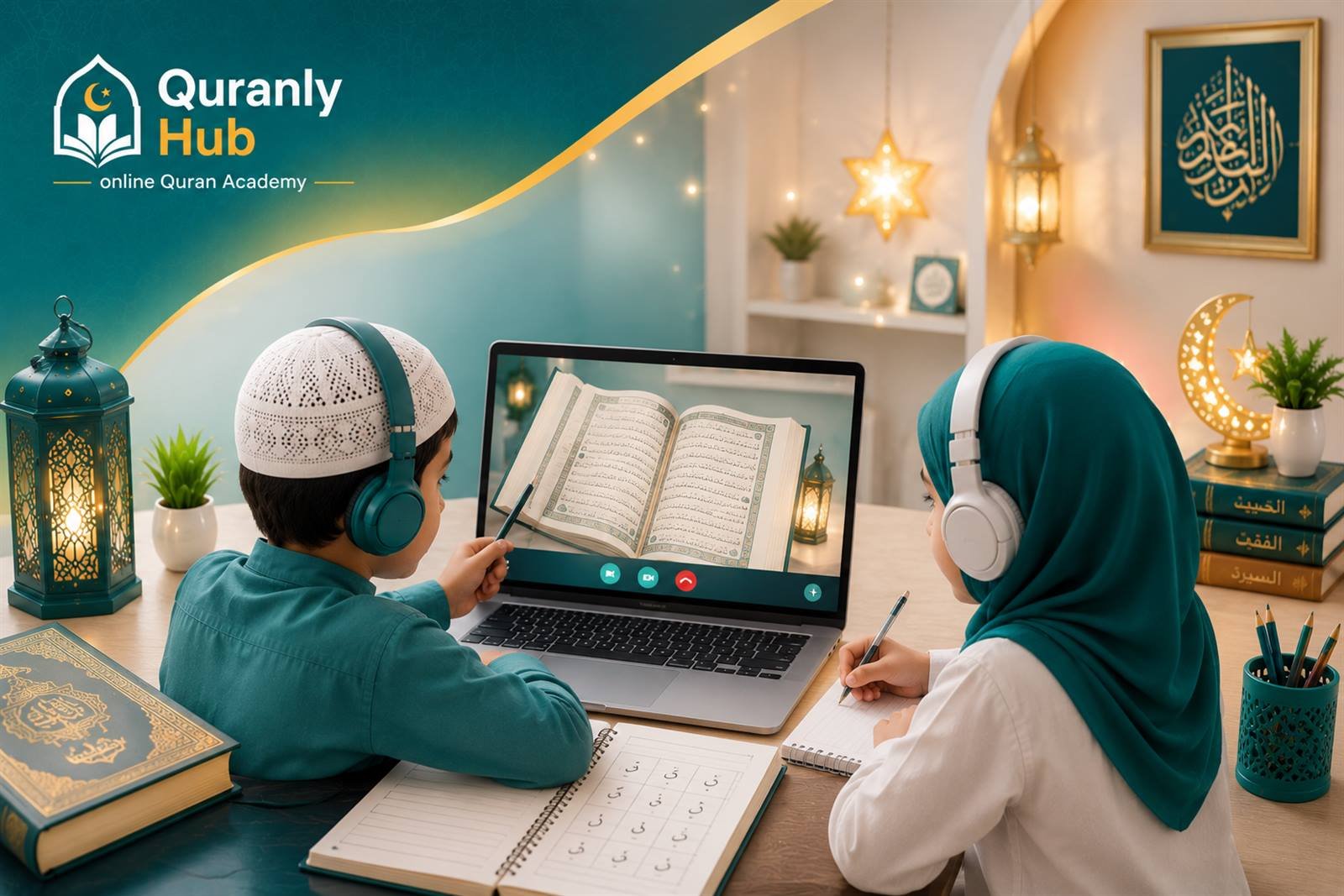
Short answer: Online Quran classes for sisters and ladies mean everyone involved in your lesson is female, your teacher, and usually the person who arranges your schedule too, so there’s no mixed-gender presence at any point, on camera or off. If you searched for a “female Quran tutor at home,” what actually solves that need for most women isn’t a local in-home visitor, it’s an online tutor you meet from your own home on your own schedule, which turns out to be easier to find and far more flexible than a local search usually is. And no, “free” sisters’ classes online are almost always a single trial lesson or a recorded series, not an ongoing one-to-one class.
A lot of the searching around this topic comes from a real, specific discomfort, not wanting a male teacher, not wanting to be visible on camera to a man, wanting to ask a question about something personal without hesitation. That’s a completely reasonable thing to want, and it shapes what an actual class looks like more than most course pages explain. Here’s what genuinely changes in a sisters-only class, and what “free” and “at home” actually mean once you look past the search term.
What an All-Sisters Class Actually Means
It means every person present in the session is female: your teacher, and typically the coordinator who arranges scheduling and answers your questions before you ever start. It’s not a mixed class where a woman happens to be teaching that day, it’s structured that way from booking through every lesson.
For choosing a specific female teacher, credentials and teaching style matter as much as gender. This guide is about the class experience itself, what’s actually taught, how comfort and privacy work in practice, and what’s realistically free.
“Female Quran Tutor at Home”: What That Search Usually Means in Practice
Plenty of people searching this actually mean a local, in-person tutor who visits their home. Finding one who’s genuinely qualified, female, and available at a workable time is hard in most towns, and it usually means a narrow, unreviewed local pool with no real way to compare options.
What ends up working for most families instead is the same feeling of learning from home, on a video call, with a female tutor, without needing anyone local to exist at all. It’s not a compromise so much as a wider pool of qualified female tutors to actually choose from, since location stops being the limiting factor.
What’s Actually Covered in a Sisters’ Class
The academic content mirrors any other Quran class, Noorani Qaida for beginners, Tajweed, Hifz, Tafseer, Quranic Arabic, and now the full Alim & Aalimah scholar course with a female tutor throughout, there’s no separate “women’s curriculum” for reading or reciting the Quran. What changes is the space around it: students can ask questions about topics they’d rather not raise in a mixed setting, like specific rulings around purification (Taharah) that affect prayer and recitation, without hesitation, since the teacher understands the context directly.
Some academies also offer broader “Islamic courses for ladies” alongside Quran classes, covering daily Duas, basic Fiqh, and practical questions about worship. If that’s what you’re after specifically, ask directly whether it’s bundled with Quran lessons or offered as a separate track, this varies a lot between academies.
Privacy and Comfort: What Actually Changes
The biggest practical difference is what happens on camera. In a genuinely sisters-only setup, there’s no male presence at any point in the session, not the teacher, not an assistant, not anyone reviewing the class later. Most platforms also let a student keep her camera off entirely and participate by audio only, worth confirming directly if that matters to you, since policies differ between academies.
The other real difference is simpler than it sounds: not having to think about how you’re dressed or seated for a class, or hold back a question because a man might be present, removes a layer of hesitation that otherwise slows a lot of women down in mixed learning environments.
What’s Actually Free (and What Isn’t)
Searches like “free online quran classes for sisters” and “online tajweed classes for sisters free” turn up a real mix of things, and it’s worth knowing which is which before you commit time to one:
- A free trial class. Most legitimate academies offer one real live lesson with a female tutor before you pay anything, useful for judging fit before committing.
- Free recorded lecture series. Widely available on YouTube and similar platforms, genuinely useful for general learning, but nobody is listening to your recitation or correcting your mistakes.
- Ongoing free one-to-one classes. Rare, and where they exist, usually limited-capacity programs run by mosques or community organizations with long waitlists, not a standing option most people can rely on.
If what you actually need is someone correcting your Tajweed or Hifz week after week, that’s realistically a paid, ongoing class, the free options are a genuine starting point, not a long-term substitute.
Choosing a Sisters’ Quran Class: What to Actually Ask
- Is every person involved in the class, including scheduling and support, actually female?
- Can you keep your camera off if you prefer, and is that stated as a policy rather than something you have to negotiate?
- What is the teacher’s actual certification, an Ijazah specifically, not just general teaching experience?
- Is a free trial a real live lesson, or a sales call?
- If you want broader Islamic studies alongside Quran lessons, is that included or a separate enrollment?
Want the fuller picture of what’s available beyond a single class, Tajweed, Hifz, Tafseer and the Alim and Aalimah path? See our guide to online Islamic courses for ladies with a female tutor throughout.
Frequently Asked Questions
Are online Quran classes for sisters completely private, with no male teacher or staff involved?
In a genuinely sisters-only setup, yes, the teacher and typically the scheduling coordinator are both female, and no male is present in the session at any point.
What does “female Quran tutor at home” actually mean if there’s no local option?
Most people searching this are looking for the comfort of learning from home with a female teacher, which an online tutor provides just as well as an in-person one, without being limited to whoever happens to be available locally.
Are online Quran classes for ladies free?
A free trial lesson is common and genuinely useful for judging fit. Ongoing free one-to-one classes are rare; most free content online is recorded lectures rather than live, corrected instruction.
Can I keep my camera off during a sisters-only class?
Many academies allow audio-only participation, but this varies, so it’s worth confirming the specific policy directly before enrolling if privacy is your main concern.
Do sisters’ classes teach different content than regular Quran classes?
The core curriculum, reading, Tajweed, Hifz, Tafseer, is the same. What changes is the environment and the ability to ask questions specific to women’s fiqh without hesitation.
Is an online islamic course for ladies the same as a Quran class?
Not necessarily. Some academies bundle broader Islamic studies, Duas, basic Fiqh, with Quran lessons, while others treat them as separate courses, so it’s worth asking exactly what’s included before enrolling.
Can I request a female quran teacher online specifically for my daughter’s Hifz classes?
Yes, every tutor for our sisters’ program is a female quran teacher online by default, not an option you have to ask for. And since the first session is a free trial, it effectively works as a free online quran memorization classes for sisters session too, so you can see how she teaches Hifz before enrolling.
Learning in a Space Built for That Comfort
The hesitation that stops a lot of women from asking a question in a mixed setting, or from starting lessons at all, shouldn’t be the reason progress stalls. Every sisters’ class at QuranlyHub is taught by a female, Ijazah-certified tutor, across Noorani Qaida, Tajweed, and Hifz. Book a free trial class and see what an actual sisters-only lesson feels like.
Can I request the same female tutor for every class?
Yes. Once you’re matched with a female tutor you’re comfortable with, your ongoing classes continue with that same tutor rather than rotating between different teachers, so the relationship and teaching continuity build over time.
Are online Quran classes for sisters fully private, with no male tutor involvement?
Yes. Sisters and ladies are taught entirely by female tutors in one-to-one video classes, with no male tutor involved in the lesson itself.
[…] what a sisters-only class actually looks like day to day? See our guide on online Quran classes for sisters and ladies for what changes in practice, and what’s genuinely […]