

Tunis is home to the Zaytouna Mosque and University, one of the oldest centres of Islamic learning in the world, and that scholarly tradition still shapes how Tunisian families approach Quran education today. Short answer: for parents in Tunis, Sfax, Sousse or further afield who want that same rigour without the daily commute, QuranlyHub matches your child with a one-to-one, Ijazah-certified tutor for Noorani Qaida, Tajweed, Hifz, Tafseer or Quranic Arabic, on a schedule built around CET hours, with a free trial class before you pay anything.
Tunisia’s Muslim community has long relied on local mosques and neighbourhood Quran schools (kuttab) for early Quran education. That works well close to an active mosque with capacity, but many parents still find it hard to get consistent, one-to-one correction, especially a tutor available outside school hours or a qualified female teacher. Online Quran classes in Tunisia close that gap directly: instead of competing for a handful of local slots, your family is matched with an Ijazah-certified tutor and a schedule built around your own week. This guide covers how it works, alongside our full pricing page, Learn Quran Online overview, and comparison of local vs online Quran classes.
Tunisia’s Muslim Community: The Numbers
Tunisia is overwhelmingly Muslim — about 99% Sunni, mostly Maliki, per the CIA World Factbook. Quran education runs deep culturally, historically centred on neighbourhood kuttab schools in Tunis, Sfax and Sousse.
Why Families in Tunisia Choose an Online Quran Academy
Most Tunisian children still start with the neighbourhood kuttab or a mosque’s weekend circle, which is excellent for memorization drills but rarely built around one child’s pace or a shy student’s questions. Online tutoring keeps the same Maliki, Ijazah-backed tradition families already trust, while adding what group classes can’t: a tutor who adjusts to exam season, repeats a tricky ayah as many times as needed, and can be requested by gender for daughters reaching an age where that matters to the family.
- One-to-one, not group classes: full tutor attention every session, not shared among 6-8 students.
- Ijazah-certified tutors: a formal chain-of-transmission certificate verifying the tutor’s own recitation.
- Flexible scheduling: weekday evenings, weekends, or a mix, without a fixed classroom timetable.
- A genuine free trial: a real class with the actual tutor, not a sales consultation.
Correcting Recitation One-to-One in Tunisia
For students in Tunisia, Tajweed taught online keeps the live-correction format – makharij, elongation, and the fine details an app simply can’t flag. Watching your Mushaf and mouth over video, a tutor spots what an in-person teacher would, minus the wait for a local seat to open.
Hifz Course in Tunisia: Structured Memorization From Home
Memorisation doesn’t mean sending a Tunisia child away to board. Online Hifz follows the same sabaq-sabqi-manzil structure a residential programme would, with progress tracked every lesson and scheduling built around the school day.
Quran Classes for Adults and a Female Quran Teacher in Tunisia
Adults across Tunisia often want to relearn Tajweed alongside their children, or read the Quran properly for the first time. Online Quran classes for adults in Tunisia run on the same one-to-one model, at a pace that fits around work. A female Quran teacher in Tunisia is also available online for daughters or for women’s classes, at no extra cost and without the waitlist a local search often means outside the biggest cities.
Quranic Arabic and Tafseer for Tunisian Students
For Tunisia students who want more than correct recitation, Quranic Arabic teaches the grammar and vocabulary needed to follow the text directly, and Tafseer explains each ayah drawing on Ibn Kathir, Al-Jalalayn and other classical commentary – both self-paced and one-to-one for a student in Tunis or Sfax.
Scheduling Around Ramadan and Tunisian School Terms
Tunisian school terms, exam periods, and the shift in daily routine during Ramadan all affect how much time a family can realistically give to Quran classes. Because QuranlyHub’s tutors keep flexible hours rather than a single fixed weekly slot, families can scale down to fewer classes during exams and pick the pace back up afterward, or move sessions earlier during Ramadan when evenings fill up with iftar and taraweeh. This flexibility is one of the clearest advantages online Quran classes in Tunisia have over a fixed-timetable local class, where missing a session usually means waiting a full week to catch up.
Online vs Local Tutors in Tunisia
A local tutor offers one thing online can’t: sitting in the same room. Everything else tends to favour an online Quran academy — more tutor choice (particularly a female Quran teacher, often scarce locally outside major cities), scheduling that adapts to your week instead of a fixed slot, no commute, and an easy switch to a different tutor if the fit isn’t right. For families weighing the two options directly, see our comparison of local vs online Quran classes.
Pricing: What You Actually Pay
Every standard course — Noorani Qaida, Tajweed, Advanced Tajweed, Hifz, Tafseer and Quranic Arabic — is priced the same, with four schedules to fit around a Tunisian school and work week:
| Plan | Classes / Month | Schedule | Price |
|---|---|---|---|
| Weekend Plan | 8 classes | Sat & Sun | $30/month |
| 3 Days a Week | 12 classes | Any 3 weekdays | $35/month |
| 4 Days a Week Most Popular | 16 classes | Any 4 weekdays | $40/month |
| 5 Days a Week | 20 classes | Mon to Fri | $45/month |
All plans include a free trial class, weekly progress updates, and a dedicated Ijazah-certified tutor. Enrolling siblings? Every additional child in the same family gets a 10% discount. See the full pricing page for the Alim & Aalimah scholar track.
All 7 Courses, One Platform
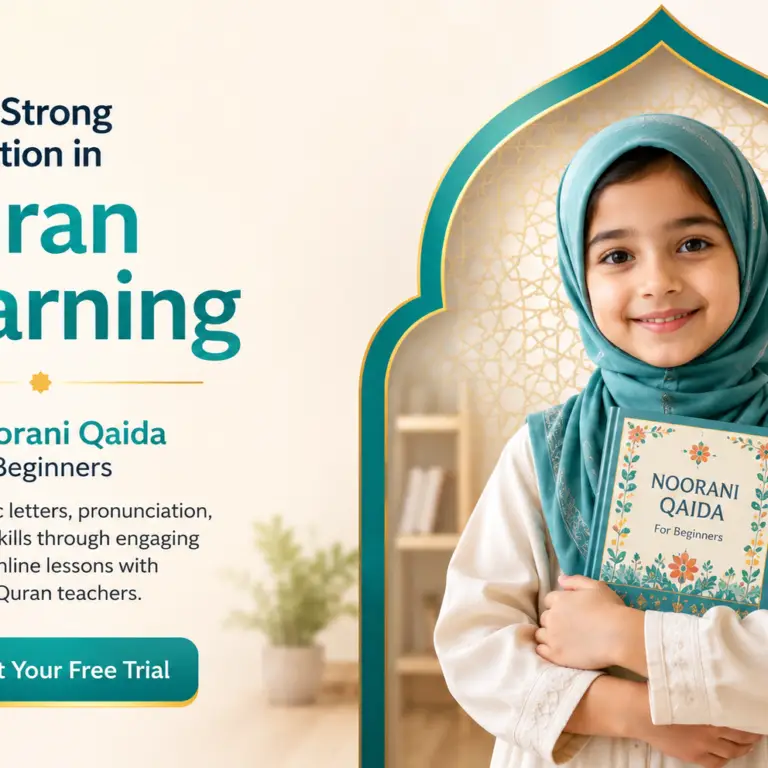
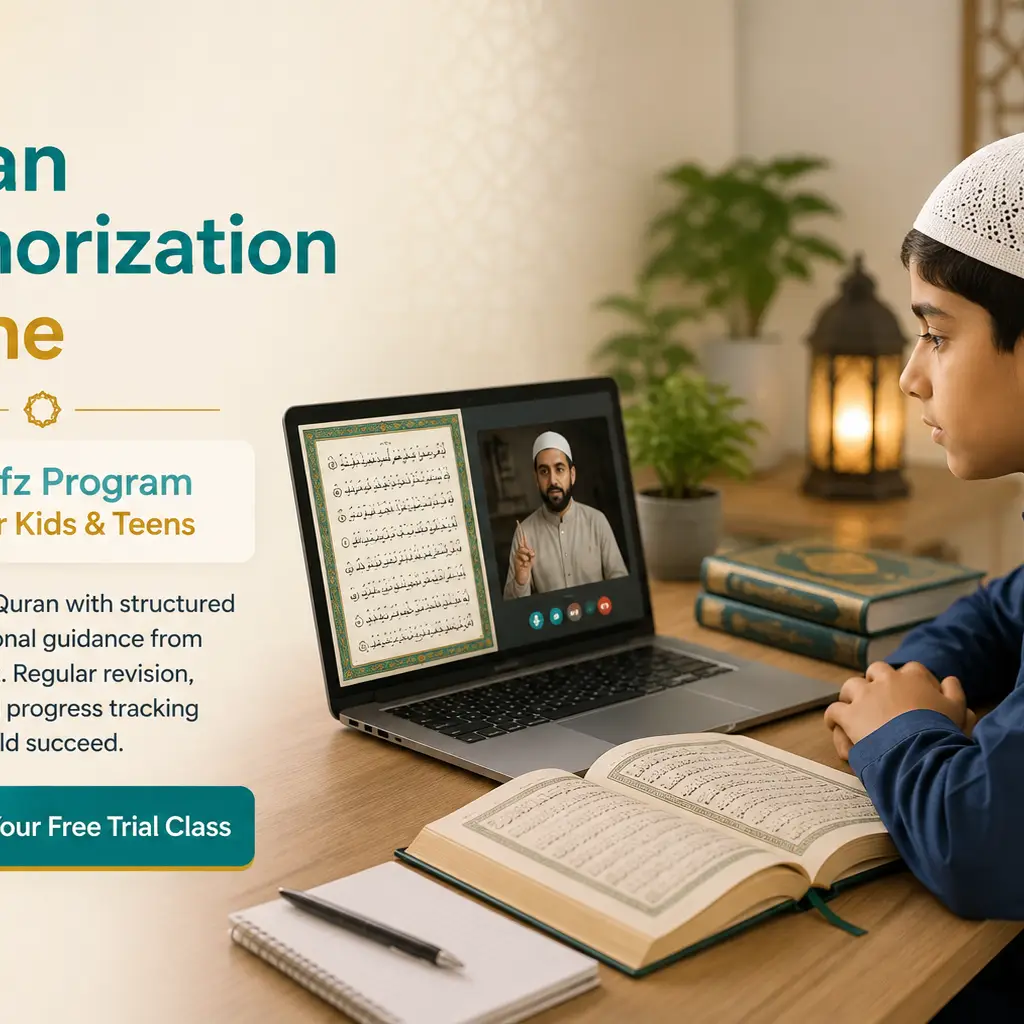
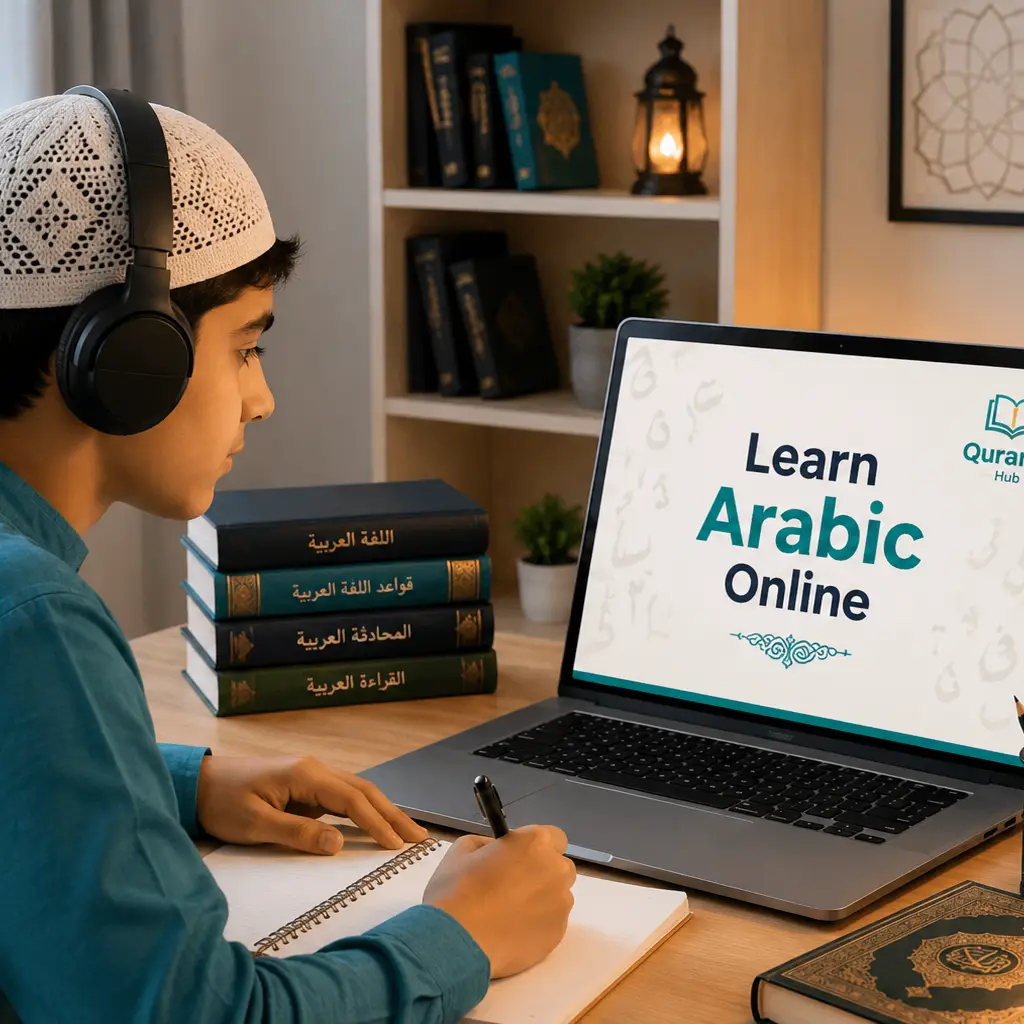
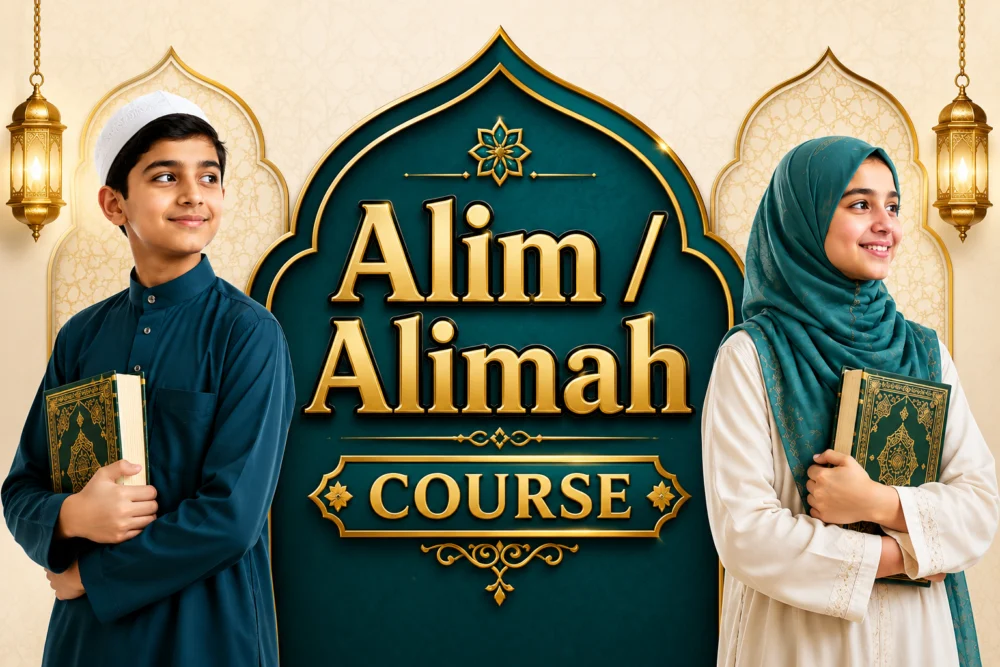
Whichever course your family starts with, the same tutor-matching and free trial process applies across all seven, for every age from Noorani Qaida beginners to the Alim & Aalimah scholar track:



Book Your Free Trial Class
See for yourself before you commit to a plan. Book a free trial class with an Ijazah-certified tutor, matched to your child’s or your own age, level and preferred schedule.
Which Course Should You Start With?
Not sure whether to begin with Noorani Qaida, Tajweed or Tafseer? Our short guide Online Quran courses in Tunisia: which one to start with puts them in order.
Explore Our Other Courses
Also Available in Other European Countries
Related Guides
Frequently Asked Questions
Is an online Quran academy a good option for families in Tunisia?
Yes. An online Quran academy removes the limits of a small local search around Tunis, Sfax or Sousse, giving families access to Ijazah-certified tutors anywhere, all teaching one-to-one over video call rather than in a shared classroom.
What times work for Tunisia’s time zone?
Tutors keep availability across time zones, including slots that map well onto Tunisia’s CET time zone during evenings and weekends, so classes fit around school and work rather than the other way round.
Can my child join a Hifz course in Tunisia online?
Yes. An online Hifz course in Tunisia follows the same sabaq-sabqi-manzil revision structure as an in-person program, with a dedicated Ijazah-certified Hifz tutor tracking memorization one-to-one.
Are tajweed classes in Tunisia available in French or Arabic?
Classes are taught in English by default, and many tutors can support French or Arabic-speaking students where needed. Mention your preference when booking your free trial so you’re matched accordingly.
How much do online Quran classes in Tunisia cost?
Plans range from $30/month (8 classes, weekends only) up to $45/month (20 classes, Monday to Friday), 30 minutes each, billed in USD regardless of your location. The 4-days-a-week plan at $40/month is the most popular. Families enrolling more than one child get a 10% discount. See the full pricing page.
Is there a free trial before I pay?
Yes, every course starts with a free trial class with a real tutor, so you can judge fit before choosing a plan.