A parent’s guide to choosing the right online Quran class for kids in Australia: teacher vetting, age-appropriate lessons, safety and scheduling.

Learn Quran. Live Guidance.
A parent’s guide to choosing the right online Quran class for kids in Australia: teacher vetting, age-appropriate lessons, safety and scheduling.

Short answer: Yes — QuranlyHub teaches children with autism, ADHD, dyslexia and other learning differences through live, one-on-one online Quran classes, paced to each child rather than a fixed curriculum, in the calm, familiar environment of home, with a patient tutor and a free trial to see the fit first.
Most local mosques and weekend madrassahs are built around one pace for a whole room of children, which rarely works for a child with autism, ADHD, dyslexia, or a sensory processing difference. A busy classroom means noise, bright lights, and a teacher whose attention is split between fifteen or twenty students — exactly the environment that can overwhelm a child who needs calm and consistency to focus. Learning from home removes that problem entirely: your child sits in a familiar room, with a screen instead of a crowd, and a tutor whose full attention belongs to them for the whole class.
There is no single “special needs class” — every child’s needs are different, so the class is built around your child, not the other way around. In practice, that usually means shorter sessions with built-in breaks rather than a rigid 30-minute block, visual cues and repetition instead of relying on verbal instruction alone, a slower, steadier pace through Noorani Qaida or Quran reading with plenty of revision, and a tutor who stays calm and consistent even on the days a class doesn’t go to plan. If your child has a formal diagnosis, an IEP, or specific strategies that work well at school, tell us before the first class — the more the tutor knows going in, the faster they can adjust.
Every QuranlyHub tutor teaches one-on-one as standard, so working with a child who needs extra patience isn’t a special accommodation — it’s simply how every class already runs. Tutors are matched to your child based on temperament as much as teaching level, and you’re welcome to try a different tutor if the first match isn’t quite right; the goal is finding someone your child is comfortable with, not forcing a fit. A female tutor is available as standard for daughters, at no extra cost, if that makes your daughter more comfortable.
A class usually starts with a few minutes of easy, familiar review — a Surah your child already knows, or letters they’ve mastered — before moving into new material, so the session opens with a win rather than a struggle. New content is introduced in small pieces, repeated often, with the tutor watching for signs your child needs a short break rather than pushing through. If a session isn’t working on a given day, the tutor will shorten it or shift to revision rather than forcing a full 30 minutes that leaves everyone frustrated. Progress is measured in weeks and months, not single classes.
Parents of children who need extra support are usually more cautious about who teaches them, not less, and that caution is fair. Every tutor is identity-verified and reference-checked before teaching a single lesson, classes are strictly one-on-one and fully visible to you as the parent, and you’re welcome to sit in on any class, announced or not. Sessions can also be recorded on request, so you can review exactly how a tutor worked with your child without needing to watch live every time.
Learning to read isn’t the only goal for most families — many parents want their child to feel connected to their deen in whatever way is realistic for them. Alongside Quran reading, tutors weave in short, simple Duas, the basics of Salah, and gentle Islamic manners, adjusted to what’s achievable for your child rather than a fixed checklist every student is expected to hit at the same age. For some children that means memorising a few short Surahs well; for others, it means simply feeling calm and welcomed in a Quran class at all. Both are real progress.
Most families begin with Noorani Qaida, the slow, foundational start with Arabic letters and sounds. From there, some children move into Quran Reading with Tajweed, while others focus on steady, repeated Hifz of short, familiar Surahs. There’s no requirement to follow a set order — the full courses page covers what each one involves, and your tutor can adjust as you go.
Book a free trial class — no cost, no pressure — and see how your child responds before choosing a regular schedule.
Book Your Free Trial Class →Whether you searched for online quran classes for special needs children, quran classes for autistic child online, or a patient quran tutor for a child with ADHD or dyslexia, the questions below cover what most parents ask before booking a trial.
Yes. Classes are one-on-one, paced to your child, with shorter sessions, repetition, and a tutor who stays patient and consistent through the class.
Yes — sessions can be shortened with built-in breaks, and new material is introduced in small, repeated pieces rather than long uninterrupted blocks.
Yes. The pace is set by your child, with extra revision and visual repetition rather than moving on before a lesson is secure.
Every tutor teaches one-on-one as standard and is experienced with different paces and needs. Tell us about your child’s diagnosis or strategies that work well before the first class so the tutor can adjust from day one.
Yes — a free trial class with no cost and no pressure, so you can see how your child responds before booking a regular schedule.
Yes, always. Classes are one-on-one and fully visible to you, and you’re welcome to sit in or check on any session.
Yes, a female tutor is available as standard for daughters, at no extra cost.
The tutor will shorten the session or shift to easy revision rather than pushing through a full class that isn’t working that day.
Alongside reading, tutors weave in short Duas, the basics of Salah, and gentle Islamic manners, adjusted to what’s realistic for your child.
Tutors adapt their pace and teaching style to each child individually, using shorter segments, more repetition, and extra patience for children with autism, ADHD, dyslexia, or other learning differences, rather than following a fixed generic lesson plan.
Yes, and it’s often encouraged for younger children or those who need extra support staying focused during the live video session.

Short answer: A Zoom Quran class works like any video call — your tutor sends a meeting link, you join from a phone, tablet or laptop with the free Zoom app, and the lesson runs one-on-one with the tutor sharing the Quran text on screen, correcting your recitation in real time, and (if you’d like) recording the session for later review.

Any video call app lets you join with a tap, that part is not specific to Quran lessons. What actually affects whether a Zoom Quran class works well is different from a normal video call:
Most academies that advertise “Zoom Quran classes” only actually teach on Zoom, so if your family doesn’t have it installed, or simply prefers something else, you’re stuck. QuranlyHub isn’t locked to one platform: classes run just as well over Skype, Google Meet, or a straightforward WhatsApp video call — whichever your family already has and is comfortable with. You can even switch platforms between sessions if that’s easier. The lesson itself doesn’t change; only the app carrying the video call does.
Some platforms run Zoom Quran lessons as small groups to keep costs down, with five or six students sharing a single tutor’s attention. QuranlyHub only teaches one-on-one — every Zoom class is just your child (or you) and the tutor, for the full session. That matters more on video than it does in person: in a group Zoom call, a shy or easily distracted child can go an entire class without being corrected even once. One-on-one means every mistake gets caught and fixed in the moment.
Every course QuranlyHub offers runs the same way over Zoom, Skype, Meet or WhatsApp — live, one-on-one, with a certified tutor:
Not sure which one fits? The full courses page breaks down what each one covers.
Yes. Because every class is one-on-one and conducted live over video, a parent is always welcome to sit in, check in partway through, or simply stay in the room — nothing about the format hides the lesson from you. Sessions can also be recorded on request, so you can review a class later or see exactly how your child’s tutor teaches before deciding on a longer-term schedule. If you’d rather your daughter or wife learn with a woman, a female Quran teacher is available as standard, at no extra cost.
The video-call format works for both, but the class itself is shaped around who’s learning. Children’s Zoom classes are shorter, more visual, and paced around a young attention span, with a tutor experienced at keeping a 6-year-old engaged through a screen rather than in a classroom. Adult classes move faster and can start at any level — from a complete beginner who has never read Arabic, to someone polishing Tajweed they learned as a child. Scheduling is built around your own time zone either way, including early mornings or after work for adults balancing a job.
Book a free trial class — no cost, no card required, and you can use Zoom, Skype, Meet or WhatsApp, whichever you prefer.
Book Your Free Trial Class →However you searched for this — zoom quran classes, zoom quran classes for kids, or just wanting to know how online quran classes work before committing — the questions below cover what most families ask first.
For more practical guides like this one, see our Quran Learning Tips section, including our guide on fitting Quran learning into a real week.
Deciding whether online Quran study fits your family at all before picking a video platform? Start with our complete guide to learning Quran online.
No. Zoom’s free version is enough for a one-on-one class with your tutor — there’s no need to buy Zoom Pro or create a business account.
That’s fine — QuranlyHub also teaches over Skype, Google Meet, or a plain WhatsApp video call, whichever your family already has installed.
Yes, sessions can be recorded on request so you can review the lesson later or see exactly how the tutor teaches.
Classes are strictly one-on-one with a vetted, Ijazah-certified tutor, and a parent is welcome to sit in or check on any session, announced or not.
No — a basic, stable home Wi-Fi or mobile data connection is enough, since the class is a live video call rather than a large download.
Yes. A female tutor is available as a standard option for daughters, sisters, and women learning as adults, at no extra cost.
Most classes run 30 minutes, one-on-one, scheduled around your own time zone rather than a fixed group timetable.
Yes — a free trial class for both children and adults, with no card required, so you can meet the tutor before committing to a plan.
Most children begin Noorani Qaida from around age 4 to 6. There’s no upper age limit — many students are adults, including complete beginners.
No. A free Zoom account is enough to join a live one-to-one Quran class, since sessions are short (30 minutes) and well within Zoom’s free-tier meeting length. Skype and WhatsApp video are also supported if your family already uses one of those instead.
Brief connection drops are common and tutors are used to pausing and resuming around them. For consistently weak connections, switching to audio-only or trying WhatsApp video (which tends to handle lower bandwidth better) usually keeps the class running smoothly.


Short answer: the UK’s Muslim community is one of the fastest-growing faith groups in the country — 3.87 million people in England and Wales alone, with large communities in Birmingham, Bradford, Manchester, Leicester, Glasgow and London. That growth has brought a flood of online Quran tutors into the market, and not all of them are qualified to teach children. This guide covers exactly what to check before you enrol. It is the same checklist we would use ourselves before choosing online Quran classes UK for a child.
In a secular environment like the UK, children are taught to question everything and process information through logic. Handing a child to an untrained reciter — someone who can read Arabic personally but has no training in Tajweed pedagogy or child psychology — risks locking in pronunciation mistakes that take years to unlearn, and can leave a child disengaged from the Quran rather than connected to it.
A genuinely structured online Quran programme should diagnose where a child actually is — Noorani Qaida basics, Tajweed correction, or ready for Hifz — rather than putting every student through the same generic lesson plan.
Every child should start with the Noorani Qaida — Arabic letter shapes, compound letters, and articulation points (Makharij) — before opening the Quran itself. See our guide to starting Quran lessons for beginners for how this should be sequenced.
If a child has studied elsewhere already, a proper teacher runs a diagnostic assessment first — checking for gaps like confusing ض and ظ — and rebuilds the Qaida foundation before moving on, rather than assuming the basics are solid. Our Tajweed correction classes are built around this kind of re-assessment.
Students who can already read parts of the Quran get a fluency check, correction of subtle vocal mistakes, and a structured plan toward completing the Quran (Nazrah) or starting Hifz — Quran memorisation, with a daily new-lesson-plus-revision cycle so what’s memorised is actually retained.
Many UK families specifically want a female Quran teacher for their daughters, or for themselves as adult learners. This should be a standard option at enrolment — not something you need to ask for repeatedly or pay extra to get.
Online Quran classes fall outside formal Ofsted regulation as supplementary education, so safeguarding isn’t automatic — it’s something parents need to ask about directly. Before enrolling, it’s reasonable to ask any provider:
A provider that answers these clearly and specifically is a good sign. Vague reassurance without specifics is not. See how QuranlyHub verifies tutors for what we can actually confirm.
Transparent UK pricing generally looks like two tiers: a lighter plan (around 2 days a week, 8 sessions a month) and a fuller plan (around 4 days a week, 16 sessions a month), with sibling discounts available on request. Get exact current pricing and a free trial slot on our Online Quran Classes in the UK page.
Looking for the same safety checks specifically for the USA? See our guide on choosing a safe, trustworthy online Quran academy in the USA.
How do teachers handle children who are complete beginners?
A good programme starts with basic Arabic phonetics through the Noorani Qaida, using positive reinforcement so the child is comfortable from day one rather than pressured.
Is Hifz (memorisation) offered, or just Quran reading?
Both, in a properly structured programme. Students who complete fluent reading (Nazrah) move into a structured Hifz course using a daily new-lesson-plus-revision cycle for genuine long-term retention.
Which video platforms are used for live classes?
Most UK providers, including QuranlyHub, teach live and one-to-one on Zoom, Skype, Google Meet, or WhatsApp — whichever is most convenient for the family.
How should progress be reported?
Look for a provider that gives structured monthly progress reports covering Tajweed improvement, Qaida/Quran pages completed, and any character-building (Tarbiyah) milestones — not just “doing well.”
Does the same provider need to cover every stage as a child grows?
It helps. Switching providers each time a child moves from Qaida to Tajweed to Hifz means re-vetting a new tutor’s credentials from scratch every time, whereas an academy offering the full path, through to Tafseer, Quranic Arabic and eventually the Alim & Aalimah course, lets the same relationship and progress records carry forward.
If scheduling around a packed week is the real challenge, see our guide on how busy UK families keep Quran lessons going.
Ready to see this in practice? Visit our Online Quran Classes in the UK page for current pricing, or message us on WhatsApp to book a free trial and get matched with the right teacher for your child.Yes, tutors commonly schedule around UK school hours and half-term breaks, offering after-school and weekend slots so Quran classes fit around an existing school schedule rather than competing with it.
Yes. Standard UK plans cost £30 per month for eight one-to-one lessons or £40 for sixteen, each lasting 30 minutes. UK fees are fixed in pounds sterling (GBP). Confirm your payment method and timetable before enrolling.
Comparing options before you commit? See our full guide to the best online Quran classes in the UK and what actually separates a strong academy from a weak one.
Short answer: For the exact same number of classes, QuranlyHub’s standard plans cost approximately 16.7% and 44.4% less than the corresponding Alimaan plans using the recorded competitor GBP prices below, and far less than a local in-home tutor – with certified teachers, no travel, and a schedule that fits your family. Put plainly, quran classes near me vs online quran classes is not really a close contest once you compare the real numbers.
“Quran classes near me” is rarely one simple search. Depending on who’s asking, it usually splits into a few different needs: quran classes near me for kids, quran classes near me for adults, quran classes near me for beginners, and – almost always, eventually – how much do quran classes near me cost per month. This guide answers all four, using real, sourced numbers instead of guesswork.
In-home or mosque-affiliated tutors typically charge $20-$50 per hour, plus travel if they come to you. For a family booking two 30-minute sessions a week, that works out to roughly $20-$50 a week before travel – noticeably more than most families expect when they start searching.
On top of cost, “near me” searches usually run into the same problems, whether you’re looking for a quran tutor near me for kids or an online quran teacher near me for adults:
| What you’re searching for | What “near me” usually gives you |
|---|---|
| A certified, experienced tutor | Whoever happens to live in your city – not necessarily the best-qualified teacher |
| A female tutor for your daughter | Very limited local supply in most towns |
| A flexible time slot | Whatever slot the tutor has free, often evenings only |
| Privacy at home | A room set aside, one-on-one, for a person your family doesn’t know well |
| Factor | In-Person Local Tutor | Online (QuranlyHub) |
|---|---|---|
| Cost | $20-$50/hour + possible travel fee | UK: from £30/month; international: from USD $30/month |
| Space needed | Separate room at home | Any quiet corner |
| Tutor choice | Limited to your city | Certified male & female tutors, worldwide |
| Scheduling | Tutor’s local hours | You choose the time |
| Cancellations | Common – weather, travel | Rare – fully remote |
| Best for kids | If you want in-room supervision only | Wider tutor choice, easier to switch if it’s not a fit |
| Best for adults | Rare local availability for adult learners | Flexible evening/early scheduling around work |
We compared our own plans against other academies’ published prices (August 2026), matching the exact same class count – not an estimate, a direct comparison.
| Plan | QuranlyHub | Alimaan Online Quran School | Difference |
|---|---|---|---|
| 8 classes/month (30 min each) | £30 | £36 | Alimaan charges 20% more |
| 16 classes/month (30 min each) | £40 | £72 | Alimaan charges 80% more |
Quran.London’s published plan is 12 classes/month for £65, compared with our fixed UK fee of £40 for 16 classes per month.
UK fees are £30/month for 8 one-to-one classes or £40/month for 16 classes, each 30 minutes. These fixed GBP plans apply to standard Quran courses other than Tafseer. Tafseer costs USD 60/month for 8 classes (2 per week) or USD 100/month for 16 classes. For other courses, see UK pricing.
The gap compounds fast once you look at annual cost, which matters most for families comparing quran classes near me price against a long-term online plan:
| Plan | QuranlyHub (yearly) | Alimaan (yearly) | You save |
|---|---|---|---|
| 8 classes/month | £360 | £432 | £72/year |
| 16 classes/month | £480 | £864 | £384/year |
The “near me” search looks different depending on who’s learning. For quran classes near me for kids, parents usually prioritize a patient, certified tutor and a female option for daughters – both far easier to find online than in a single town. For quran classes near me for adults, the bigger issue is usually timing: local tutors rarely offer late-evening or early-morning slots that fit around a full-time job, while an online quran academy near me alternative can match almost any schedule.
Beginners searching for quran classes near me for beginners often assume they need someone local to “get started right,” but a certified online tutor runs through the same Noorani Qaida basics, at the same pace, without the wait for a local opening.
This is the part most “quran classes near me” searches don’t account for. Finding a local tutor usually means scrolling Google Maps listings with few or no reviews, calling two or three numbers, waiting for a callback, then arranging a first meeting before lessons even begin – often a week or more before the first real class. Booking online typically takes minutes: pick a course, choose a free trial slot, and meet your tutor on video the same day.
That speed matters most for the searches parents actually type into Google once they’ve hit a dead end locally: quran classes near me with free trial, quran classes near me open today, and book quran classes near me online. All three point to the same underlying want – start learning now, not next week.
Local tutor searches for quran classes near me for non-arabic speakers often turn up very few real options, since most in-home tutors teach the way they were taught, in whichever language that happened to be. Online academies with a larger, more diverse tutor pool can match a student with a tutor who teaches comfortably in English, Urdu, or another shared language, rather than forcing a fit with whoever is locally available.
Beyond price, we cover the full range of Quran learning: Quran Reading (Noorani Qaida) for children, Tajweed for every age, Hifz (memorization), Tafseer, Advanced Tajweed, and Quranic Arabic – plus Quran translation, basic Islamic studies, masnoon duas, and how to pray (salah), all with Ijazah-certified tutors.
We teach students online across the UK, USA, Canada, Australia, UAE, Qatar, and Saudi Arabia – so wherever “near me” takes you, we’re available at the same price.
Yes – every class is one-on-one over video with a certified, vetted tutor, and a parent can sit nearby the entire session. Many families find this gives more oversight than leaving a tutor alone with a child in a separate room at home.
Choose a local tutor if you specifically want a teacher physically present every session, budget isn’t the main concern, and you already know and trust someone nearby.
Choose online Quran classes if you want the lowest cost per class without lowering teaching quality, you want access to certified female tutors who are often scarce locally, your schedule doesn’t match typical local tutor availability, or you’d rather not set aside a dedicated room for lessons.
See exactly how a class works – no cost, no pressure.
Book Your Free Trial Class →Whichever way you search – quran classes near me, online quran academy near me, or simply “quran tutor near me price” – the questions below cover what most parents ask before choosing.
One more thing worth saying plainly: quran classes near me for beginners do not have to mean a stranger in your living room. A qualified online hifz and tajweed teacher can start a true beginner – child or adult – from the very first Arabic letter, at a pace that suits them, without the pressure of a fixed weekly slot at someone else’s house. That is why so many parents who start by searching quran classes near me for beginners end up choosing an online academy once they compare the price and the flexibility side by side.
Comparing class formats as well as price? See our breakdown of group vs one-to-one Quran classes for the actual individual-attention math behind each option.
Specifically searching for a “quran learning center near me”? Our guide on free quran learning centers near you breaks down what “free” and “near me” actually mean in practice.
Ready to actually find a tutor rather than keep comparing options? See our faster way to find an online Quran teacher than searching “near me”.
Most in-home or mosque-affiliated tutors charge $20-$50 per hour, often with an added travel fee, which usually works out to $20-$50 a week for two half-hour sessions.
For the same 8 classes/month, Alimaan charges 20% more than us – about £72 more per year. For 16 classes/month, 80% more – about £384 more per year.
Usually not. Local in-home tutors typically cost $10-$25 per 30-minute class once travel is factored in, compared with £2.50-£3.75 per class on QuranlyHub UK standard plans.
Yes – the core method (listening, repeating, correction) works the same on video, with a certified one-on-one tutor. See exactly how a class works over Zoom, Skype or WhatsApp.
Yes – sessions are one-on-one with a vetted, Ijazah-certified tutor, and a parent can stay nearby throughout.
Online classes usually work better for adults, since local tutors rarely offer the early-morning or late-evening slots that fit around a job, while online scheduling is built around your own availability.
UK, USA, Canada, Australia, UAE, Qatar, Saudi Arabia, and more – all at the same price, with no local shortage of tutors.
Local tutors often have few or no online reviews at all, since most are found through word of mouth rather than a public profile. Online academies are easier to research beforehand – you can check published pricing, course pages, and public reviews before ever booking a trial.
For most families, online works out better on cost, tutor choice, and scheduling – the comparisons on this page show the actual numbers. A local tutor still makes sense if in-person presence matters more to you than price or flexibility.
Quran Reading, Tafseer, Quranic Arabic, the Alim and Aalimah scholar course, translation, basic Islamic studies, masnoon duas, and salah – all with certified tutors.
Usually, yes. A local, in-person Quran teacher typically charges per session plus travel time built into the price, while online Quran classes remove the travel cost entirely and let tutors serve students across time zones, which keeps monthly plans lower for the same number of classes.
Not necessarily. A nearby teacher is convenient, but availability is often limited to whoever is local, especially for a female Quran teacher in smaller areas. Online Quran classes widen the pool of qualified, Ijazah-certified tutors while keeping the same one-to-one, live-correction format.
Based in Belgium? See our dedicated guide to online Quran classes in Belgium for CET-friendly scheduling and course options.
More on this topic: Quran teacher near me in Dearborn, Quran teacher near me in Los Angeles, Quran teacher near me in the UK, Tafseer classes near me, Quran teacher near me in Australia, what “free” near-me options actually offer, and the faster way to find a Quran teacher near you.
Short answer: most children in Qatar do not fail at Quran learning because the teaching is wrong, they lose momentum because the schedule around it collapses first. The fix is rarely a better curriculum. It is building a routine that survives a demanding work week, school hours, and the Friday-Saturday weekend without needing daily willpower to keep it going. Once the routine is protected, Qatari families can read Quran online consistently, even during the busiest weeks.

If your child started strong and has since gone quiet on Quran lessons, or you are trying to set up a routine before that happens, this is what actually keeps it going long term.
Starting is easy because motivation is high in week one. Consistency is hard because it depends on the routine surviving weeks with no motivation at all, a late work day, a sick day, a weekend trip. Families in Qatar often run tighter weekly schedules than they expect, between school hours, work, and the adjusted weekend, so a Quran routine that only works when everything else goes to plan tends to quietly disappear within a month or two.
The households that keep it going treat the schedule itself as the priority, not just the intention to learn.
Qatar’s weekend falls on Friday and Saturday, which changes what a realistic routine looks like compared to a Sunday to Thursday work week. A few practical adjustments make a real difference:
Short, focused sessions beat long, occasional ones almost every time, since a tired or bored child associates the lesson with fatigue rather than progress. For a broader look at what keeps children engaged over time, our guide on keeping kids motivated in Quran lessons covers the practical side of this in more depth.
One addition specific to a consistency-first approach: review progress with your child roughly once a month, not daily. Daily correction from a parent on top of the lesson tends to make Quran time feel like extra homework rather than something they own.
A one-on-one class can move a session earlier or later that week without disrupting anyone else, which matters more for consistency than it first appears. A fixed group class time that regularly conflicts with work or school is one of the most common reasons families in Qatar quietly stop attending. QuranlyHub teaches Noorani Qaida, Quran Reading with Tajweed, and Quran Memorization (Hifz) one-on-one, live online, with scheduling arranged directly around your week rather than a fixed group timetable.
Teaching the basics at home works for many families, until correcting pronunciation becomes something you are not confident doing yourself, or the child starts resisting lessons from a parent specifically. At that point, a dedicated tutor who is not also the parent giving bedtime instructions often restores consistency faster than any new home routine would. Every QuranlyHub tutor is Ijazah-certified in Quran recitation, so correction happens from someone trained specifically for it.
Two to three short sessions a week, fixed on the same days, is usually more sustainable than daily sessions that get skipped once the week gets busy. Consistency at a lower frequency beats an ambitious schedule that collapses within a month.
It helps for at least one session, since weekend time is usually less rushed than a weekday evening after work and school. The remaining sessions can still sit on weekdays if that fits your routine better.
Check the schedule first, not the child’s motivation. A slot that keeps moving or gets skipped is the most common cause, and fixing the routine often resolves the resistance on its own.
Yes. Since classes are one-on-one, scheduling is arranged directly with you rather than around a fixed group time, which makes it easier to work around family commitments across time zones.
QuranlyHub does not operate physical branches — every class is delivered online, live and one-on-one, wherever you are in Qatar.
Yes, since classes are entirely online and one-on-one, moving location does not interrupt the routine the way changing to a new local teacher would.
QuranlyHub teaches every core course to families in Qatar online, with scheduling built around the Friday-Saturday weekend and typical work hours.
For more on QuranlyHub’s classes for families in Qatar, see our Quran classes in Qatar page, our general guide on fitting Quran learning into a real week, or message us on WhatsApp to arrange a free trial class around your family’s schedule.
Evening slots after Maghrib work well for most Qatar families, once school and work commitments wind down, though tutors can also work around Suhoor and Iftar timing during Ramadan specifically.
Tutors regularly adjust scheduling around Qatar’s school terms and holidays, offering more flexible daytime slots during breaks and evening slots during the school term.
Short answer: the families in the UAE who actually keep up with Quran classes long term do two things differently. They treat the class like a fixed appointment instead of something that happens “when there’s time,” and they use one-on-one online lessons instead of a fixed group timetable, so the schedule bends around work and school rather than the other way around. Treated this way, Quran classes online become a fixed part of the week for UAE families instead of the first thing that slips.
If you have started and stopped Quran lessons more than once because of a demanding job, a school calendar full of activities, or simply a week that never goes to plan, the problem is rarely motivation. It is almost always the schedule.
Long work hours are common across the UAE, and many households run on two working parents rather than one. School schedules add another layer: extracurriculars, homework, and for many families a different weekend structure than what they grew up with. By the time everyone is home, fed, and settled, there is often very little energy left for a new commitment, even one everyone wants to keep.
None of this means Quran learning has to wait for a quieter season of life. It means the class itself needs to be flexible enough to survive a busy one.
Parents often assume a child who resists Quran class is simply not interested. More often, the class is scheduled at a point in the day when everyone is already tired, or it is a fixed group slot that cannot move when work runs late or school lets out early one day. A tired child in a fixed-time group class looks like a motivation problem. It is usually a scheduling problem.
Households that stick with Quran learning long term tend to protect one thing: a consistent day and time each week, agreed on in advance rather than decided the morning of. It does not need to be daily. A realistic, protected slot twice a week beats an ambitious plan that gets cancelled every other week.
A fixed group class meets at one time, for everyone, regardless of what your week looks like. If your child misses it, the material moves on without them. One-on-one online classes work differently: the time is set around your household, not a group average, and if a specific week is unusually demanding, the schedule can move rather than simply be missed. For a subject like Tajweed, where a tutor needs to hear and correct recitation directly, this flexibility also means lessons keep pace with the student instead of a fixed curriculum timeline.
There is no single schedule that works for every family, but a useful starting pattern for a busy household is two short weekday sessions, kept to a consistent time, plus one slightly longer session on a weekend day when there is more room to breathe. Short and consistent beats long and occasional almost every time, especially for younger children.
QuranlyHub teaches Quran classes online, one-on-one, to families across the UAE and the wider Gulf region, covering Noorani Qaida for complete beginners, Quran Reading with Tajweed, and structured Quran Memorization (Hifz) with built-in revision. Every tutor is Ijazah-certified in Quran recitation, and because lessons are one-on-one, scheduling is arranged directly with you rather than fitted around a fixed class timetable. If your family has struggled to keep a routine going before, that is exactly the problem this format is built to solve. Read our related guide on keeping kids motivated in Quran lessons for more on protecting the routine itself. For full details on pricing, courses, and how to get started, see our complete guide to online Quran classes in the UAE.
Planning around this year’s specific school breaks? See our UAE school holidays Quran learning plan for each break.
Two consistent sessions a week that actually happen will do more for progress than four sessions a week that regularly get cancelled. Start with a schedule you can protect, then increase it once it is genuinely sustainable.
With one-on-one online classes, timing is arranged directly with your tutor, so occasional changes are usually possible. It is still worth agreeing on a default weekly slot so the class does not quietly disappear from the routine.
Yes, particularly because there is no commute added on top of an already full day. The lesson happens wherever your child already is, which removes one of the biggest reasons busy families drop a routine.
Message QuranlyHub on WhatsApp with your preferred days and times, and we will help you find a schedule that actually fits your household before you commit to anything, starting with a free trial class. For the general approach behind this, see our guide on fitting Quran learning into a real week.
QuranlyHub does not operate physical branches — every class is online, live and one-on-one, matched to a suitable tutor no matter which emirate you are in.
Yes, since scheduling is arranged directly with you rather than a fixed group timetable, shift patterns can usually be accommodated.
QuranlyHub brings every course together in one online academy, so families across the UAE can read Quran online with the same tutor as their child progresses.
UAE families commonly use evening slots after Maghrib or weekend mornings, since tutors across time zones can offer options that avoid clashing with school and work hours during the week.
Yes, tutors can lighten scheduling during UAE exam periods and increase frequency during school breaks, adjusting around your family’s actual calendar rather than a fixed academy timetable.
Short answer: if you’ve searched “Quran teacher near me” or “Quran classes near me” in Australia and come up short, you are not imagining the problem — and it isn’t only a regional issue. Australia’s Muslim population is spread across a huge landmass, concentrated in a handful of major cities, which means families in regional towns and smaller suburbs often have no realistic local option at all. Online one-on-one classes solve this directly, because the tutor no longer needs to live near you. Once schedule and distance stop being obstacles, families anywhere in Australia can read Quran online with a tutor matched to their needs. That is the fix for regional Australia families who keep hitting the same dead end.
This is a genuine geography problem, not a sign that Quran education is somehow harder to access in Australia than elsewhere. Once you remove the requirement that a teacher be physically nearby, the options open up considerably.
Australia is one of the largest countries in the world by area, but its population, including its Muslim population, is concentrated mainly in Sydney, Melbourne, Perth, and a few other major centers. Families living in regional Queensland, rural Western Australia, or smaller towns anywhere in between often have no mosque-affiliated Quran class within a reasonable drive, let alone a choice of teachers to compare.
Even families in outer suburbs of major cities can face long commutes to reach a class, which adds up fast on top of school, work, and everything else in a week.
It’s not only regional families who hit a wall. A parent searching “Quran teacher near me” in a Sydney or Melbourne suburb often finds a small handful of options, and the actual fit still depends on specifics: a female Quran teacher for a daughter, a tutor experienced with young kids, a time slot that survives a normal school week, or a specific focus like Tajweed or Hifz rather than general reading. “Near me” measures distance, not whether that nearby option is actually the right teacher for your child.
An online Quran academy sidesteps this by matching on the criteria that actually matter, teacher gender, experience level, course focus, and schedule, rather than whichever teacher happens to be geographically closest.
Learning to read the Quran correctly depends on a teacher who can hear you recite and correct mistakes in real time, particularly for Tajweed. This is not the kind of subject a family can easily piece together from videos alone. A local teacher shortage does not just mean inconvenience, it can mean a child simply does not get consistent, corrected practice for months or years.
A live, one-on-one online class works the same way an in-person lesson does, the tutor listens to the student recite and corrects them immediately, except neither of you needs to be in the same city. This is the specific gap online Quran education fills for regional and remote Australian families: it does not replace the value of a good teacher, it just removes the requirement that one happen to live nearby. Call it quran lessons online or a virtual classroom, the actual class looks and feels the same either way.
QuranlyHub teaches this way across Noorani Qaida, Quran Reading with Tajweed, Quran Memorization (Hifz), and Tafseer, with every tutor Ijazah-certified in Quran recitation, so distance from a physical class no longer determines what is possible for your child.
Once you are choosing from online options rather than whoever happens to be local, a different set of questions becomes useful:
Every QuranlyHub course is delivered the same way to every student in Australia, whether in Sydney or a regional town three hours from the nearest city: live, one-on-one, and scheduled around your family. See the full Quran classes in Australia overview for scheduling details, or go straight to all seven courses to find the right starting point.
Worried about tutor safety specifically, not just availability? See our guide on what Australian parents should actually check before trusting an online tutor.
Also see: Quran classes near me vs online, compared, and the faster way to find a Quran teacher near you.
For one-on-one instruction, the core mechanism is the same either way: a tutor listens and corrects in real time. The main difference is that online removes the requirement to live near a teacher, not the quality of correction itself.
Scheduling is arranged directly with you, so classes can be set for a time that works for your household in Australia rather than fitted around a fixed international timetable.
Most children adjust quickly, since one-on-one attention is usually easier to follow than a group setting, not harder. A free trial class is the simplest way to see how your child responds before committing.
QuranlyHub is an online academy, and classes are delivered live over video rather than in person, which is exactly what allows students anywhere in Australia to be matched with a suitable tutor regardless of their own location.
Online removes that limitation entirely — regional and remote families get the same one-on-one access to a suitable tutor as families in major cities.
Yes, lessons are paced to the individual student, so a young child in Perth or a teenager in regional Queensland both get lessons matched to their level.
By removing distance as a factor entirely — the same course, tutor quality and schedule flexibility apply whether you live in a capital city or a small regional town.
Looking specifically for a kids-focused breakdown — age groups, teacher vetting, safety and Australian scheduling? See our parent’s guide to online Quran classes for kids in Australia.
If distance has been the reason your family has put off starting, message QuranlyHub on WhatsApp to book a free trial class, or read how to choose the right online Quran teacher before you decide. Once you’re enrolled, our guide on fitting Quran learning into a real week covers building a routine that actually sticks.
Yes, this is exactly the gap online Quran classes solve, removing the dependency on local availability entirely while still providing live, one-to-one correction from a qualified tutor.
A stable connection sufficient for a video call (similar to a Zoom meeting) is enough. If regional internet is inconsistent, audio-only or WhatsApp video often handles lower bandwidth better than Zoom.
Not reliably as a physical option, which is exactly the gap online Quran teaching closes. Instead of searching for whoever happens to be nearby, you choose a tutor based on teaching style, gender preference, and specialization, then take classes live over video from anywhere in Australia.
Rather than searching by location, look for an academy that assesses your child’s level first, offers one-on-one (not group) lessons, and provides a free trial before you commit. QuranlyHub matches children with a suitable tutor regardless of which Australian city or town you live in.
The teaching itself works the same way, live correction from a real tutor, but online removes the geographic limit entirely. You get access to Ijazah-certified tutors and specific course options (Tajweed, Hifz, Tafseer) that a single local academy may not offer.
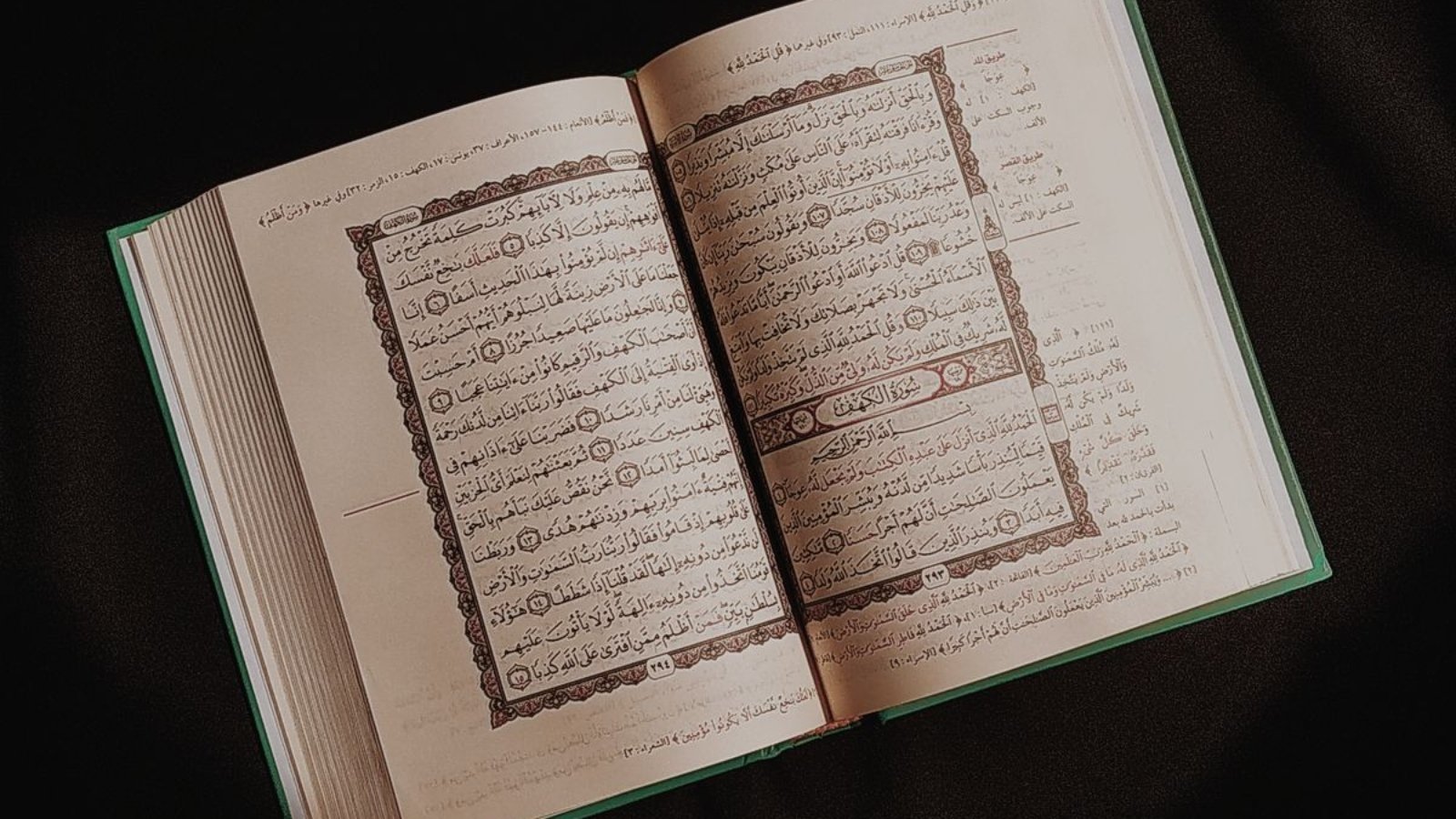
Short answer: what actually helps most families in Saudi Arabia keep up with Quran learning is matching the starting point to the child’s real background, structured one-on-one lessons rather than a fixed group pace, and a schedule that works around work, school, and the Friday-Saturday weekend, not a rigid weekday timetable borrowed from somewhere else. Structured this way, families across Saudi Arabia can read Quran online consistently, whatever their weekly schedule looks like.
Considering Hifz? Read our guide to Saudi-based Quran memorization courses and online options to compare teachers, revision plans, and enrollment questions.
Saudi Arabia is not one audience for this. Expat families and long-resident local families tend to run into different problems, even though both are searching for the same thing: a way to keep Quran learning consistent without it becoming another source of stress at home.
Expat families, especially where Arabic is not spoken at home, often need to start from the very beginning: the alphabet, correct pronunciation, and basic reading, before Tajweed rules mean anything. Skipping ahead here usually backfires, because rules only make sense once the letters themselves are solid.
Local and long-resident families are frequently in the opposite position. The child already reads reasonably well, often from school-based Quran education, but the home routine is inconsistent, correction is inconsistent, and progress has plateaued. Here the gap is usually structure and follow-through, not the basics.
For a child starting from zero, the two things that matter most are a patient pace and real consistency. A Noorani Qaida course built for complete beginners, taught one-on-one rather than in a group, lets a tutor slow down exactly where a specific child needs it, instead of moving on because the rest of a group is ready.
Once the alphabet and basic reading are solid, moving into Quran Reading with Tajweed is the natural next step. Trying to jump straight into Tajweed rules before reading is fluent is one of the most common reasons progress stalls for beginners.
If a child already reads but progress has plateaued, the fix is rarely “more of the same.” A structured, one-on-one class with regular correction closes gaps that a busy home routine cannot catch consistently. For families whose children already recite well, going beyond recitation into Quranic Arabic, Tafseer, or eventually the Alim & Aalimah course often reignites motivation, since understanding what is being read tends to matter more to older children than repetition alone.
A few practical realities make online, one-on-one classes a good fit here:
See our full breakdown of online Quran classes in Saudi Arabia for course options and scheduling details.
The single biggest reason progress stalls, for expat and local families alike, is not the course or the tutor. It is an inconsistent schedule. A class that happens whenever the week allows tends to quietly disappear within a few months.
A fixed slot, even a short one, beats an irregular longer one almost every time. Two sessions a week at the same time is easier to sustain than daily sessions that get skipped whenever work or school gets busy. If a schedule keeps slipping, it is usually worth shortening the sessions rather than reducing the frequency, since frequency is what actually builds the habit.
The most reliable way to find the right starting point is a free trial class, where a tutor can actually hear the student read (or, for a complete beginner, gauge where to begin) before recommending a course. Message QuranlyHub on WhatsApp with your child’s age and current level, or without one if starting from scratch, and you will get a direct recommendation rather than a generic sales pitch.
Trying to pin down the best class time specifically? See our time zone guide for scheduling classes in Saudi Arabia.
Yes. Starting with Noorani Qaida is specifically designed for complete beginners, including children who have never been exposed to Arabic letters before.
No. Many families use one-on-one online classes as a supplement, focused on correcting specific gaps or going further than a general classroom pace allows.
Yes. Because lessons are one-on-one, timing is arranged directly with you rather than fixed to a set weekday schedule.
A free trial class. It lets a tutor assess the right starting point instead of guessing from an age alone.
No, pricing is based on course, format and frequency, the same factors that apply everywhere QuranlyHub teaches, not on expat versus local status.
Yes, since classes are one-on-one, timing can be adjusted around Ramadan routines directly with your tutor.
QuranlyHub teaches every core course online to families across Saudi Arabia, with scheduling built around the Friday-Saturday weekend and typical work and school hours.
Ready to find the right starting point? Book a free trial on WhatsApp, or browse all QuranlyHub courses first. For scheduling advice beyond Saudi Arabia specifically, see our general guide to fitting Quran learning into a real week.
Yes, the same one-to-one format and Ijazah-certified tutors work equally for expat families wanting classes in English or Urdu, and local Saudi families, since lessons are scheduled around each family’s own routine.
Yes, tutors who teach in Urdu alongside English can explain Tajweed rules and Quran meaning in whichever language a child understands best while still teaching accurate Quranic Arabic pronunciation.

Short answer: the slot most families default to, straight after school, is usually the hardest time for a child to focus on Quran lessons, since it comes right after a full day of concentrating at school. A short weekday evening session paired with one longer weekend session, plus lighter expectations during half-term and school holidays, tends to work better than trying to force a daily after-school routine that keeps breaking down. Getting this right lets UK families read Quran online consistently, without the routine collapsing by half-term. In short, this is what quran lessons for busy UK families actually look like once the schedule fits real life.

If Quran lessons keep getting skipped, delayed, or turning into a fight most weeks, the schedule is very often the actual problem, not the child’s interest or the teacher.
By 3:30pm, a child has already spent six or more hours concentrating, sitting still, and following instructions. Asking for another 30 to 45 minutes of focused learning immediately afterward competes directly with hunger, tiredness, and the need to just move around. This is not a motivation problem, it is a timing problem.
A short break of even 45 minutes to an hour before a Quran lesson, enough time to eat and decompress, often makes a bigger difference than changing anything else about the lesson itself.
The right pattern depends on the child and the course. Noorani Qaida sessions for younger children usually work well as short, frequent slots, while Hifz tends to benefit from a steady daily rhythm, even if each session is brief.
School holidays are a genuine opportunity, not just a break from routine. With no homework or early starts to work around, this is often when children make the most noticeable progress, especially in Tajweed, where focused, unhurried practice matters more than in almost any other course.
A practical approach many families use: keep the term-time schedule light and protected, then increase frequency slightly during half-terms and summer holidays when there is more flexibility in the day.
One advantage of learning online is that class timing is arranged directly with your tutor around UK time (GMT or BST), rather than fitted into a fixed class timetable set by someone else. If evenings do not work most weeks, a weekend-only pattern is just as valid, the online format exists to fit your week, not the other way around.
A few patterns are worth watching for. If lessons are being rescheduled or skipped more weeks than not, if your child is visibly restless or distracted for most of the session, or if you find yourself negotiating just to get them to start, these are usually schedule signals rather than a sign the child dislikes learning. Adjusting the time slot before changing anything else, the tutor, the course, or the pace, is often the simplest fix and the one families try last.
For a child who is completely new to reading, Noorani Qaida is the right starting point. For a child who already reads Arabic but needs correct pronunciation, Quran Reading with Tajweed is usually the better fit. If you are not sure which applies, a free trial class is the fastest way to get a clear answer rather than guessing from home.
Not inherently, but many children concentrate poorly in that window simply due to tiredness. If lessons keep getting difficult around that time, shifting even 45 minutes later, or to a weekend slot, is worth trying before assuming the course itself is the issue.
There is no fixed number that works for every child. A consistent two to three sessions a week that are actually kept tends to produce better results than a daily plan that regularly gets skipped.
Not necessarily. Holidays often remove the exact fatigue that makes term-time scheduling hard, which makes them a good window to keep momentum or even progress faster than usual.
Yes. QuranlyHub classes are one-on-one and scheduled directly with you, so timing can be adjusted as your week changes rather than locked into a fixed slot.
Online removes the search entirely — instead of being limited to whoever is local, you can be matched with a suitable tutor anywhere, which usually gives UK families more scheduling flexibility, not less.
Yes, since classes are one-on-one, frequency and length can be scaled down temporarily around exams without losing the routine entirely.
QuranlyHub teaches every core course — Noorani Qaida through Tajweed, Hifz, Tafseer, Quranic Arabic and the Alim & Aalimah scholar course — to UK families with scheduling built around the UK school calendar and time zone.
If certification and tutor vetting matter more to you than scheduling, see our guide on choosing a safe, certified online Quran class in the UK.
If you want help working out a realistic weekly pattern for your child, message QuranlyHub on WhatsApp with your usual school week, or start with a free trial class to see how a session actually fits into your evening or weekend. For the general framework behind this, see our guide on fitting Quran learning into a real week.
Early evening after school, around 5-7pm UK time, tends to work well for most families, before dinner and homework take over the rest of the evening.
Yes, many UK families increase class frequency during half-terms and reduce it slightly during busy exam periods, adjusting the schedule with their tutor rather than following a fixed timetable.